
The New Era of Catering Services: Ai-Driven Robots Reshaping the Industry Landscape
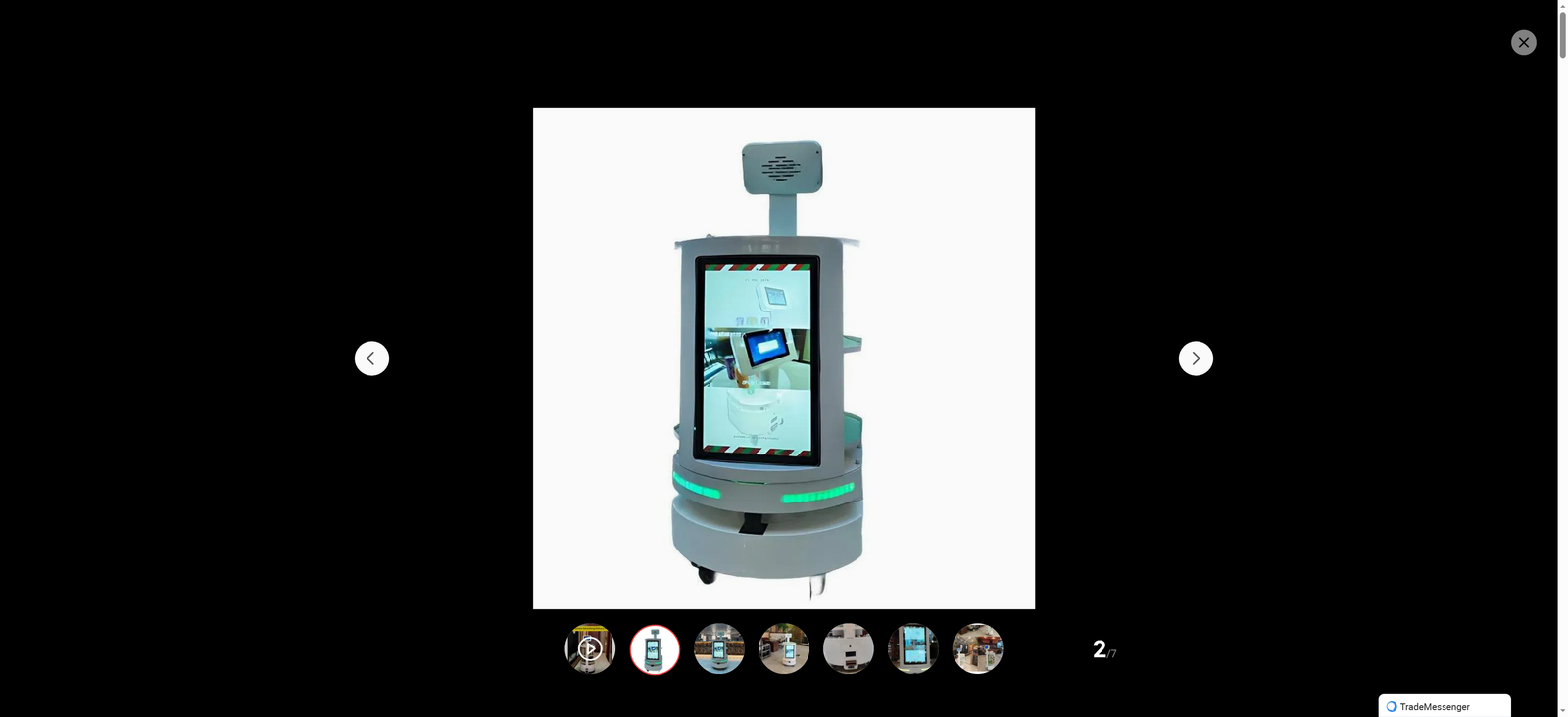
With the rapid development of artificial intelligence and autonomous driving technology, the catering industry is undergoing a profound transformation. Ai Driver Food Delivery Robots, Autonomous Restaurant Robot Waiters have gradually stepped out of the laboratory and entered restaurants, hotels, coffee shops and pizza stores, becoming a new force that optimizes service efficiency, improves customer experience and promotes industrial upgrading. These intelligent robots are no longer just novel decorations, but have become an indispensable part of the catering service chain, redefining the way people dine.
Ai Driver Food Delivery Robots, as the "logistics backbone" in the catering industry, have solved the long-standing pain points of inefficient food delivery and easy errors in traditional catering services. Equipped with advanced autonomous driving sensors, navigation systems and AI algorithms, these robots can accurately identify the surrounding environment, avoid obstacles flexibly, and plan the optimal delivery route in real time. Whether it is a crowded restaurant hall, a narrow corridor of a hotel, or a busy coffee shop with people coming and going, they can move freely and steadily. Compared with manual food delivery, Ai Driver Food Delivery Robots not only save a lot of labor costs for merchants, but also avoid the problems of slow delivery due to busy staff, wrong delivery of dishes and food cooling. For customers, they can get their ordered food faster, and the novel experience of receiving food from robots also adds more fun to the dining process. Especially in pizza stores where take-out and in-store dining coexist, these robots can take on both in-store food delivery and take-out order distribution tasks, greatly improving the overall operation efficiency of the store.
Autonomous Restaurant Robot Waiters, on the other hand, have broken the traditional impression of catering services and brought a more standardized, intimate and intelligent service experience to customers. Different from the one-way food delivery function of food delivery robots, robot waiters have a more comprehensive service capability. From greeting customers at the door, leading them to their seats, presenting menus, taking orders to refilling water and collecting tableware, they can complete a series of service processes independently. Equipped with voice recognition and natural language processing technology, Autonomous Restaurant Robot Waiters can accurately understand customers' needs, answer common questions about dishes, and even recommend suitable meals according to customers' preferences. In hotels, these robot waiters can also provide 24-hour uninterrupted service, meeting the dining needs of guests at any time; in coffee shops, they can accurately remember regular customers' taste preferences, such as "a cup of latte with less sugar and more milk", and provide personalized services, which greatly enhances customer stickiness.
The wide application of Ai Driver Food Delivery Robots and Autonomous Restaurant Robot Waiters in the catering industry is not only a manifestation of technological progress, but also a必然 choice for the industry to upgrade. In the context of increasing labor costs and higher and higher requirements for service quality, intelligent robots can effectively make up for the shortage of manual services. They do not need rest, do not feel tired, can maintain a stable service level for a long time, and greatly reduce the management pressure of merchants. At the same time, the application of robots also brings a new "technology sense" to catering stores, which has become a unique sign to attract young consumers. Many restaurants and coffee shops have become popular "net red check-in spots" because of the introduction of intelligent robot services, which has driven the growth of passenger flow and turnover.
Of course, the popularization of Ai-driven catering robots does not mean that manual services will be completely replaced. On the contrary, robots and manual services can complement each other to create a better dining experience. Robots are responsible for repetitive and tedious work such as food delivery, ordering and table cleaning, while manual staff can focus on providing more humanized services, such as explaining the background of dishes, communicating with customers and handling special needs. This combination of "intelligence humanity" not only improves the efficiency of the store, but also retains the temperature of catering services, which is the future development direction of the catering industry.
Looking to the future, with the continuous progress of AI technology, Ai Driver Food Delivery Robots and Autonomous Restaurant Robot Waiters will have more powerful functions. They may have more accurate emotion recognition capabilities, can adjust service methods according to customers' moods; they may also realize interconnection and intercommunication with the store's intelligent management system, and realize more intelligent operation and management. In addition, the application scenarios of these robots will be more extensive, not only in restaurants, hotels, coffee shops and pizza stores, but also in scenic spots, office buildings and other places, bringing intelligent catering services to more people.
In conclusion, Ai Driver Food Delivery Robots and Autonomous Restaurant Robot Waiters have opened a new chapter in the catering industry. They are changing the service mode of the catering industry with technological strength, promoting the transformation and upgrading of the industry, and bringing a better dining experience to consumers. In the wave of intelligent development, the catering industry will surely usher in a more brilliant future with the help of these intelligent robots.