
AMR Service Robots: Transforming Hotel and Restaurant Experiences with Commercial Excellence
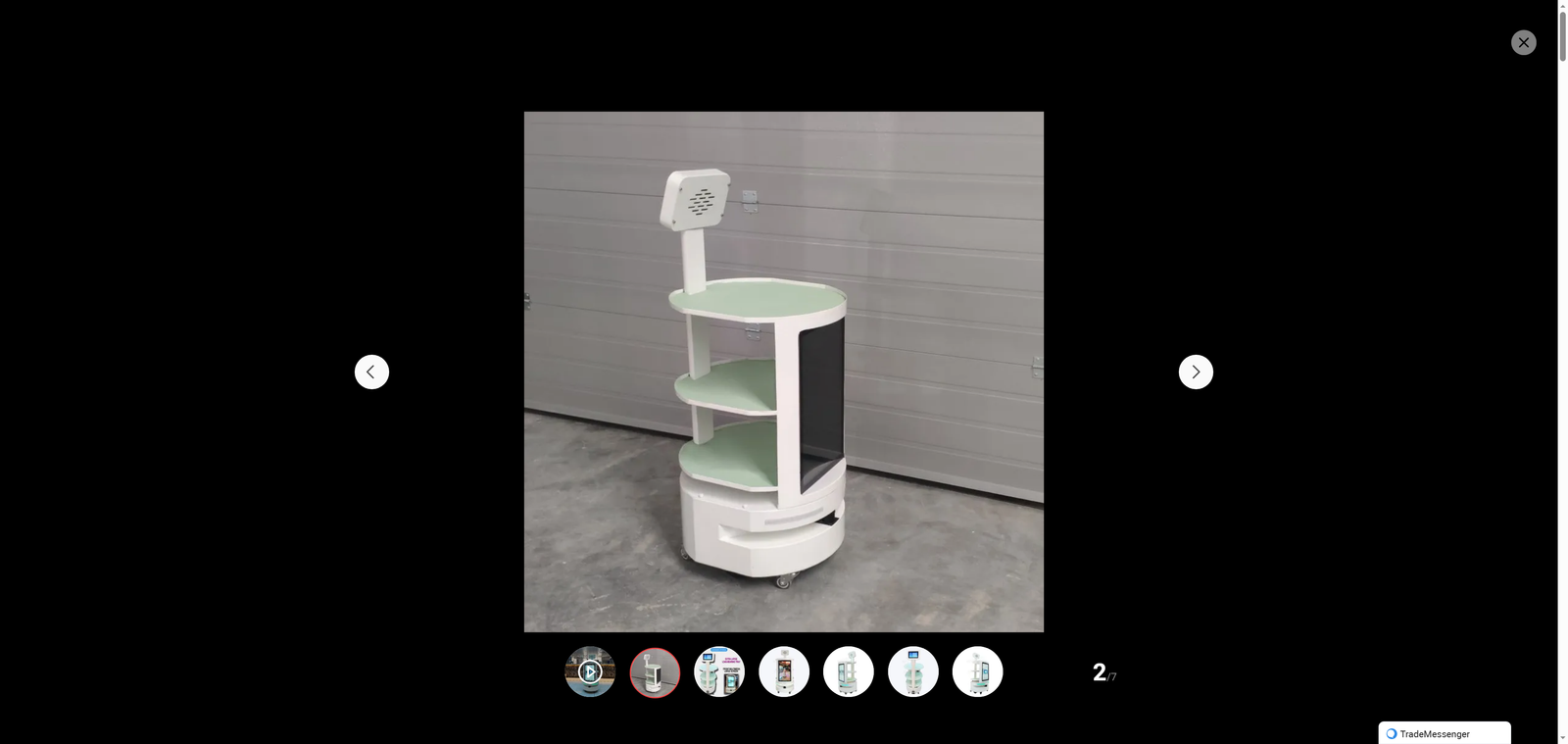
In the fast-paced world of hospitality and F&B (Food & Beverage) industries, where customer satisfaction and operational efficiency are the dual pillars of success, technological innovation has become a key driver of growth. Among the game-changing technologies, Autonomous Mobile Robot (AMR) service robots have emerged as indispensable allies for hotels and restaurants. Designed with commercial-specific needs in mind, these intelligent robots excel in guest greeting and efficient delivery, redefining service standards, optimizing operational workflows, and creating memorable experiences for patrons.
AMR service robots are not just generic automation tools; they are tailored to the unique demands of the hotel and restaurant sectors—making their commercial-specific design a standout feature. Unlike industrial robots built for heavy-duty tasks or household robots for personal use, these robots are engineered to navigate complex, dynamic environments with ease: bustling hotel lobbies, narrow restaurant aisles, crowded dining areas, and even uneven floor surfaces. They are equipped with advanced sensors, LiDAR technology, and AI-powered navigation systems that enable them to detect obstacles, avoid collisions with guests or staff, and adapt to real-time changes in their surroundings—whether it’s a sudden rush of diners or a misplaced chair in a hotel corridor. Moreover, their design is aligned with the aesthetic and functional requirements of commercial spaces: sleek, compact, and often customizable to match the brand identity of hotels or restaurants, they blend seamlessly into the ambiance without feeling intrusive.
One of the most endearing and impactful functions of AMR service robots in hotels and restaurants is guest greeting—a task that sets the tone for the entire customer experience. First impressions matter immensely in the hospitality industry, and these robots are redefining how businesses welcome their guests. Equipped with voice recognition, natural language processing, and friendly interactive interfaces, AMR robots can greet guests with warm, personalized messages as soon as they step into the hotel lobby or restaurant. They can answer basic queries—such as directions to the front desk, restaurant opening hours, menu recommendations, or room service options—with accuracy and patience, reducing the workload of front-line staff. For instance, a hotel robot can guide a guest from the entrance to their room, providing information about hotel amenities along the way, while a restaurant robot can welcome diners, assist with seating arrangements, and even take initial drink orders. Beyond practicality, these interactions add a touch of novelty and delight to the guest experience, making their visit more engaging and memorable. In an era where personalized service is highly valued, AMR robots bridge the gap between efficiency and warmth, ensuring that guests feel attended to right from the moment they arrive.
Efficient delivery is another core strength of AMR service robots, addressing a critical pain point in hotel and restaurant operations. In busy F&B settings, delivering food, beverages, or tableware from the kitchen to dining tables can be time-consuming and labor-intensive, especially during peak hours. Similarly, hotels often face challenges in timely delivery of room service, towels, toiletries, or luggage. AMR robots are designed to streamline these delivery processes, offering speed, reliability, and consistency. With their ability to carry payloads of varying sizes—from small trays of drinks to larger baskets of food or hotel amenities—these robots can navigate from point A to point B efficiently, without the need for human supervision. They can optimize delivery routes in real-time, ensuring that orders reach guests as quickly as possible, minimizing wait times. For restaurants, this means faster table turnover, as diners receive their food promptly, leading to higher customer satisfaction and increased revenue. For hotels, it translates to more efficient room service, allowing staff to focus on more complex tasks that require human expertise, such as guest relations or problem-solving. Additionally, AMR delivery robots reduce the risk of human error—such as misplaced orders or spills—ensuring that guests receive the correct items in perfect condition.
Beyond guest greeting and delivery, AMR service robots offer a host of commercial benefits that make them a valuable investment for hotels and restaurants. They enhance operational efficiency by handling repetitive, time-consuming tasks, freeing up human staff to focus on high-value, customer-centric activities that require empathy, creativity, and critical thinking. This not only improves staff productivity but also reduces labor costs in the long run—especially in an industry facing ongoing staffing shortages. Moreover, these robots are available 24/7, ensuring that service remains consistent even during off-peak hours or late at night, which is particularly beneficial for hotels with round-the-clock operations. They also contribute to hygiene and safety—an increasingly important concern for guests post-pandemic. By minimizing human contact during food delivery or guest interactions, AMR robots reduce the risk of cross-contamination, providing guests with peace of mind. Additionally, the data collected by these robots—such as guest preferences, peak hours, or delivery times—can be analyzed to gain valuable insights, helping businesses optimize their operations, tailor their services, and make data-driven decisions.
As the hospitality and F&B industries continue to evolve, AMR service robots are no longer a futuristic novelty but a practical, commercial-grade solution that drives growth and innovation. Their commercial-specific design ensures that they are well-suited to the unique challenges of these sectors, while their guest greeting and efficient delivery capabilities elevate the customer experience and streamline operations. By integrating AMR robots into their workflows, hotels and restaurants can not only stay ahead of the competition but also redefine what it means to deliver exceptional service in the digital age. These intelligent robots are more than just tools—they are partners in progress, helping businesses create a balance between efficiency, personalization, and profitability. In the years to come, as technology advances further, we can expect AMR service robots to become even more versatile and intelligent, unlocking new possibilities for the hospitality and F&B industries.